Cute Baby Fox Frame Embroidery Review
As an embroidery designer who has spent years digitizing and testing files for commercial use, I approach every new machine embroidery design with a critical eye. It is not enough for a design to simply look cute on a screen; it must perform under the needle, hold up to wear and tear, and serve a strategic purpose for the business owner using it. Recently, I evaluated the Cute Baby Fox in Photo Frame Embroidery Design, a piece that falls squarely into the popular Baby Animals category. My goal was to determine if this file is merely decorative or if it holds genuine value for small business merchandise, branded patches, and custom apparel lines.
First Impressions: Visual Personality and Brand Fit
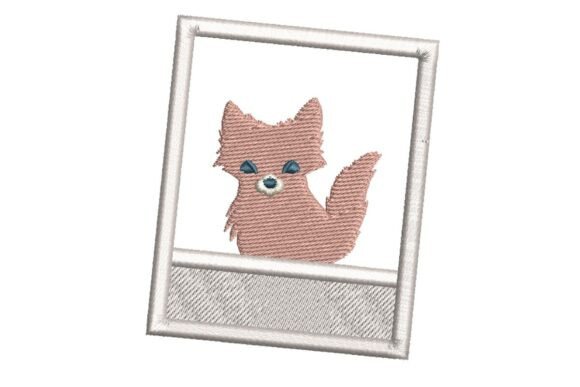
The first thing that strikes you about the Cute Baby Fox in Photo Frame Embroidery Design is its inherent warmth. The concept of a stylized baby fox peeking out from a tilted photo frame immediately evokes feelings of nostalgia, comfort, and playfulness. For brands operating in the nursery, spring-themed goods, or woodland animal niches, this visual personality is a perfect match. It feels handmade and approachable rather than corporate or cold.
From a design perspective, the "tilted" aspect of the frame adds a dynamic element that prevents the logo from feeling static. This is crucial for brand identity. When customers see a logo that has a bit of whimsy, it lowers their guard and invites engagement. However, as a professional, I also look for clarity. Does the fox get lost in the frame? Is the expression clear? In this case, the stylized nature of the fox suggests that the design prioritizes charm over hyper-realism, which is often a smarter choice for embroidery where fine details can easily become muddy.
Real-World Application for Small Business Merch
Let’s move beyond aesthetics and discuss how this design performs in real-world commercial scenarios. For Etsy sellers, boutique owners, and creative studios, versatility is key. Here is how I envision the Cute Baby Fox in Photo Frame Embroidery Design working across various products:
- Embroidered Patches: This is perhaps the strongest use case. The frame provides a natural border, making it ideal for iron-on or sew-on patches. These can be sold as standalone items or used to upgrade plain denim jackets and tote bags.
- Apron Embroidery: For bakeries, florists, or craft studios, placing this design on the chest pocket of an apron adds a touch of personality to staff uniforms. It signals a friendly, family-oriented business environment.
- Cap Embroidery: A smaller version of this design could work beautifully on the front panel of a dad hat or baseball cap. The curved surface of a cap requires simple shapes, and the compact nature of a fox in a frame fits well within standard cap hoop constraints.
- Tote Bag Design: Canvas tote bags are a staple for small business merch. Placing this design centrally or on the corner creates an instant bestseller for spring markets or baby showers.
- Product Packaging Accents: Imagine this embroidered on a small fabric tag attached to a handmade blanket or a knitted item. It elevates the perceived value of the finished product significantly.
When used in commercial embroidery projects, this design serves as more than just an image; it becomes a tool for customer retention. People connect with characters. A baby fox is memorable. If a local café uses this on their loyalty cards or staff shirts, it creates a cohesive and inviting atmosphere that encourages repeat visits.
Technical Considerations and Production Risks
While the design is charming, there are technical hurdles that every embroiderer must address before running a production batch. The description notes that the fox is rendered in a "textured" style. In embroidery, texture usually translates to specific stitch types, such as satin stitches with varying angles or fill stitches with deliberate density changes. This brings us to the issue of stitch density.
If the density is too high, the fabric may pucker, especially on lighter materials like cotton voile or thin jersey. If it is too low, the backing material might show through, ruining the premium look. I strongly advise testing this digital embroidery file on the exact fabric you intend to use. Do not assume it will work universally.
Another critical factor is size. This design should be used carefully on very small patch sizes. As the design shrinks, the details of the fox’s face and the frame’s tilt may merge into a blob of thread. Always check the minimum recommended size provided by the digitizer. If that information is missing from the product description, create a test run at 2 inches, 3 inches, and 4 inches to find the sweet spot where clarity is maintained.
Furthermore, consider the thread colors. A multi-colored design requires careful color matching. If you are embroidering on dark uniforms, you will need to adjust the underlay or use a white base layer to ensure the colors pop. Without proper contrast, the "cute" factor is lost in the shadows of the fabric.
Enhancing Brand Identity and Customer Trust
Why does the choice of design matter for brand identity? Consistency builds trust. If your brand is known for soft, natural, and wholesome products, a harsh, geometric logo would feel disjointed. The Cute Baby Fox in Photo Frame Embroidery Design reinforces a narrative of care and attention to detail. When a customer receives a handmade product with this level of thoughtful branding, they perceive higher value.
This perception directly impacts buyer engagement. In the age of social media, visual appeal drives shares. A well-executed printable mockup showing this design on a cozy nursery blanket or a stylish tote bag is likely to generate more clicks and saves than a generic text-based logo. It gives your design assets emotional weight.
Practical Designer Notes for Implementation
Before you purchase and produce, follow these steps to ensure success with the Cute Baby Fox in Photo Frame Embroidery Design:
- Test in Black and White First: Convert your preview to grayscale. If the design loses its definition without color, the contrast is insufficient, and you may need to adjust thread choices.
- Check Hoop Size Compatibility: Confirm that the design fits within your standard hoop size without requiring excessive re-hooping, which can lead to misalignment.
- Select the Right Stabilizer: For textured fabrics, use a cut-away stabilizer to support the stitch density. For woven fabrics, a tear-away might suffice, but test first to prevent puckering.
- Create a Mockup for Client Approval: If you are doing this for a client, never skip the mockup stage. Use a printable mockup or digital overlay to show them exactly how the design will look on their specific garment.
- Verify Commercial Licensing: This is non-negotiable. Ensure that the license included with the embroidery file permits commercial use for physical goods. Some licenses restrict the number of items you can sell or prohibit use on certain platforms.
- Inspect Spacing and Jump Stitches: Open the file in your editing software. Look for unnecessary jump stitches that could cause thread nests. Clean up the path if necessary to reduce production time and thread waste.
In conclusion, the Cute Baby Fox in Photo Frame Embroidery Design is a strong contender for businesses targeting the nursery, gift, and lifestyle markets. It balances aesthetic appeal with functional simplicity. However, its success depends entirely on proper execution. By respecting the technical limits of embroidery—managing density, choosing the right fabric texture, and ensuring proper stabilization—you can transform this digital asset into a powerful tool for your custom apparel and merchandise lines. Treat it not just as a picture of a fox, but as a strategic component of your brand’s visual language.