Nature Layers Embroidery Design Review
As an embroidery designer who has spent years digitizing and testing files for commercial use, I approach every new machine embroidery design with a critical eye. It is not just about whether the image looks pretty on a screen; it is about how it translates to fabric, how it holds up in the wash, and most importantly, how it serves the brand identity of the small business using it. Recently, I evaluated the Nature Layers Embroidery Design Digital File, a piece categorized under Single Flowers, to determine its viability for professional merchandise and branded applications.
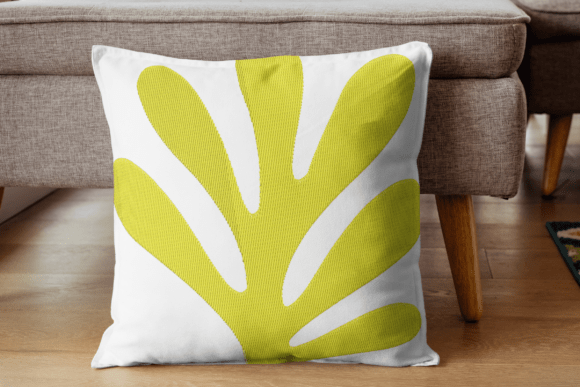
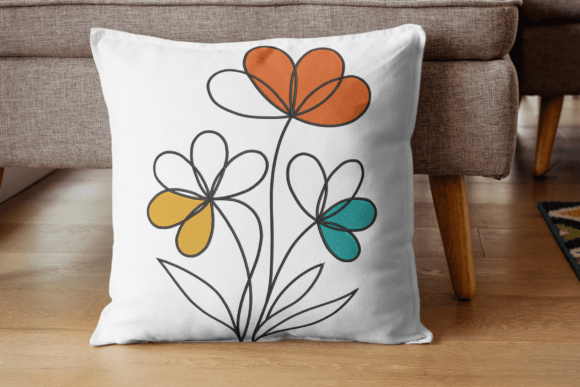
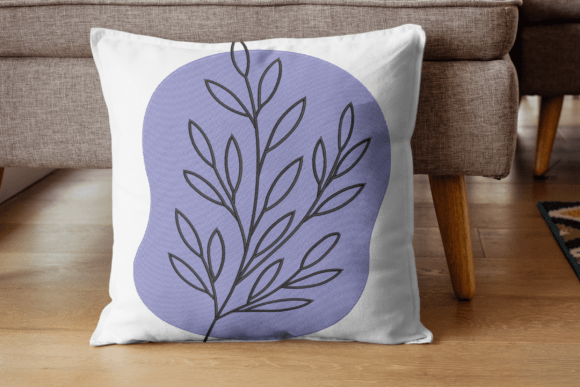
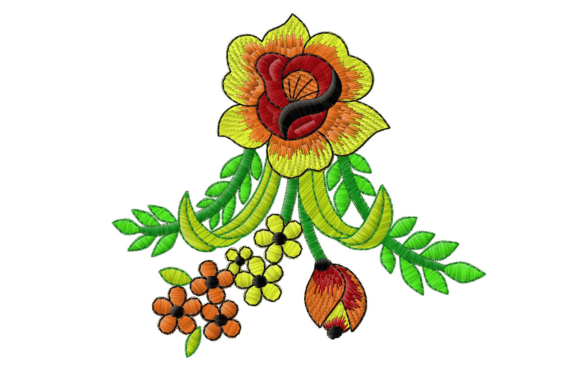
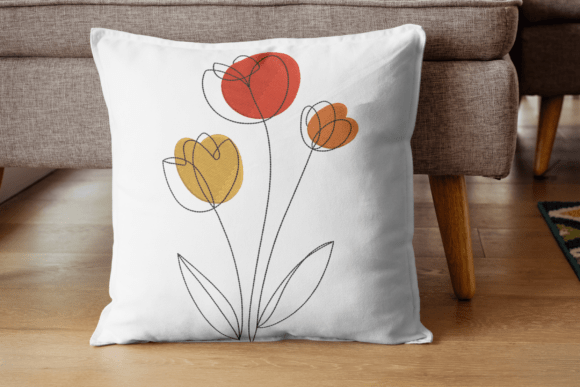
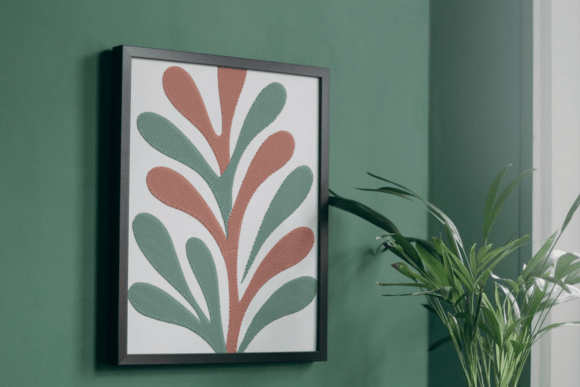
The first impression of this design is one of calm sophistication. The description highlights softly layered botanical shapes in earthy red and green tones, which immediately suggests an organic aesthetic. For a designer, this signals a move away from rigid, geometric logos toward something more fluid and approachable. The flowing form brings a sense of tranquility, making it an excellent candidate for brands that want to project warmth, sustainability, or a connection to the natural world. However, aesthetic appeal is only half the battle. The real test lies in its application across various textiles and products.
Visual Personality and Brand Alignment
When selecting a digital embroidery file for a business, you must consider what the design says about your company. The Nature Layers Embroidery Design Digital File feels distinctly handmade yet premium. It avoids the clutter often found in complex floral designs, opting instead for clean, layered shapes. This minimalism is crucial for modern branding. It allows the design to function as a subtle accent rather than an overwhelming graphic.
For boutique owners, florists, or eco-friendly product lines, this design aligns perfectly with a brand identity centered on nature and care. The earthy tones mentioned in the description suggest a palette that is easy to integrate into existing color schemes. If your brand uses kraft paper packaging, linen textures, or muted colors, this embroidery will enhance that visual consistency. It does not scream for attention; rather, it invites closer inspection, which can significantly boost buyer engagement and perceived value.
Real-World Applications for Small Business Merch
The versatility of this design makes it a strong contender for various small business merch items. Here is how I envision it performing in real-world scenarios:
- Embroidered Patches: This is perhaps the strongest use case. The layered botanical shapes can be turned into high-quality embroidered patches that customers can buy as add-ons or that staff can wear on denim jackets. The organic lines allow for a satin stitch border that frames the design neatly without looking too rigid.
- Apron Embroidery: For bakeries, cafes, or florist shops, staff uniforms are walking billboards. Placing this design on the chest pocket or lower corner of an apron adds a touch of elegance. The earthy red and green tones work beautifully on canvas or cotton twill aprons, reinforcing the artisanal feel of the business.
- Tote Bag Design: Reusable tote bags are a staple for retail businesses. The Nature Layers Embroidery Design Digital File can serve as a central motif on a blank canvas tote. Because the design is described as having a flowing form, it complements the soft drape of fabric bags better than stiff, blocky logos might.
- Cap Embroidery: Using this on headwear requires careful placement. The curved surface of a cap front can distort detailed designs. However, if scaled correctly, the layered shapes can provide a sophisticated accent on the side panel or a smaller version on the front, appealing to customers who prefer understated custom apparel.
Technical Considerations and Production Notes
While the aesthetic is promising, any experienced embroiderer knows that technical execution is where projects succeed or fail. Before running a full production batch, there are several critical factors to evaluate with the Nature Layers Embroidery Design Digital File.
First, consider the stitch density. Layered botanical shapes can sometimes result in high stitch counts if the digitizer has not optimized the underlay and top stitching. High density on lightweight fabrics can cause puckering, which ruins the professional look of the finished product. I recommend testing the design on a scrap piece of the exact fabric you intend to use. If you are working with thin cotton or silk, a cut-away stabilizer is essential to maintain shape integrity.
Second, pay close attention to thread colors. The description mentions earthy red and green tones. In embroidery, thread sheen can alter how these colors appear under different lighting. A deep forest green might look black in low light, while a bright earthy red might bleed visually into adjacent stitches if the spacing is too tight. Always create a printable mockup or run a physical sample to check contrast. If your brand relies on specific Pantone matches, you may need to adjust the thread chart to ensure the digital embroidery file aligns with your brand guidelines.
Third, evaluate the hoop size requirements. Although the exact dimensions are not provided in the brief description, layered designs often require a medium to large hoop to capture the full flow of the botanical shapes. Ensure your machine can accommodate the necessary hoop size, especially if you plan to embroider larger items like tote bags or back panels of shirts. If the design is too large for standard hoops, you might need to consider split-hooping techniques, which can be risky for organic shapes where alignment errors are visible.
Where to Use Caution
Not every item is suitable for this specific design. The flowing, layered nature of the artwork means it may not hold up well in extremely small sizes. If you attempt to shrink this down for a tiny label or a small chest logo on a polo shirt, the details may merge, turning distinct layers into a muddy blob. Avoid using this design on items that require frequent, harsh industrial washing unless you have tested its durability extensively. Additionally, be cautious with textured fabrics like heavy wool or terry cloth; the fine details of the botanical shapes might get lost in the fabric pile.
Furthermore, avoid pairing this design with complex background patterns on the garment itself. The strength of the Nature Layers Embroidery Design Digital File is its clean, organic aesthetic. Placing it on a plaid or busy printed shirt will create visual noise, detracting from the calm sophistication it aims to convey. Stick to solid colors or subtle heathers to let the embroidery shine.
Enhancing Brand Identity and Customer Trust
Ultimately, the goal of using professional design assets like this is to build trust. When a customer receives a product with high-quality embroidery, it signals attention to detail. It elevates a simple item from a commodity to a handmade product worth remembering. The Nature Layers Embroidery Design Digital File contributes to this by offering a look that is both trendy and timeless.
For Etsy sellers and craft business owners, consistency is key. Using this design across multiple touchpoints—such as on packaging tags, thank-you cards (as a printed element), and the products themselves—creates a cohesive brand experience. This visual consistency helps in building recognition. When customers see those earthy red and green botanical layers, they should immediately think of your brand’s values: nature, quality, and care.
Final Designer Recommendations
Before committing to commercial embroidery projects with this file, take these practical steps:
- Test in Black and White: Convert the design to grayscale in your software or stitch it out in monochrome. This helps you see if the layering creates enough contrast without relying on color. If it looks flat in black and white, it may lack depth in color too.
- Check Licensing: Confirm the commercial licensing terms. Ensure you have the right to use the embroidery file for selling physical goods. Never assume; always read the license included with the download.
- Inspect Spacing: Zoom in on the digitized file. Look for jumps or trims that seem excessive. Clean paths mean faster production times and fewer thread breaks.
- Create Client Mockups: If you are designing for a client, place the design on realistic photos of aprons, caps, and bags. This helps them visualize the scale and placement before you stitch a single thread.
In conclusion, the Nature Layers Embroidery Design Digital File is a versatile and aesthetically pleasing option for businesses targeting the nature-loving demographic. With proper testing regarding stabilizer, thread choice, and placement, it can become a cornerstone of your branded merchandise strategy. It offers the perfect balance of organic beauty and professional polish, making it a valuable addition to your library of Single Flowers and botanical Embroidery designs.