Review: Heart with 4 Lines Applique Embroidery Design
As an embroidery designer who has spent years digitizing and testing patterns for small businesses, I approach every new machine embroidery design with a critical eye. It is not just about whether the stitches look pretty on the screen; it is about how the design performs in the real world. Recently, I tested the Heart with 4 Lines Applique Embroidery to see if it truly delivers on its promise of versatility and charm for personalized gift products. This review is written from the perspective of a professional preparing this asset for a busy gift shop, focusing on practical application, customer appeal, and technical execution.
First Impressions: Charm and Versatility
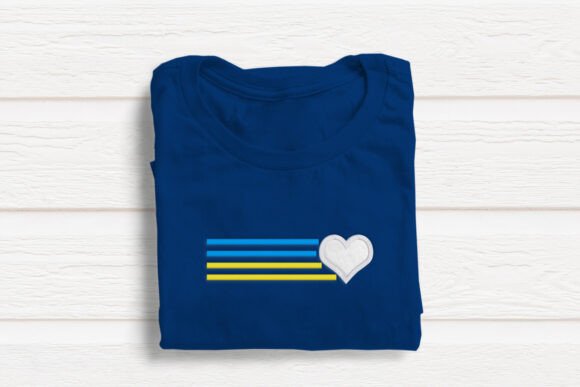
The moment I loaded the digital embroidery file into my software, the simplicity of the design stood out. The concept is elegant in its minimalism: a classic heart shape filled with four distinct rainbow lines created through applique. This is not a overly complex, high-density pattern that risks puckering delicate fabrics. Instead, it feels sweet, modern, and incredibly adaptable. The mood is warm and inviting, striking a balance between playful and romantic.
What immediately caught my attention was the potential for customization. The description notes that you can use a different color for each line to create various flags, including patriotic flag colors for different countries. This transforms a simple heart into a powerful symbol of identity, pride, or heritage. For an Etsy seller or a boutique owner, this flexibility is gold. It allows you to market the same embroidery file to multiple niches, from international families celebrating their roots to couples displaying their national pride.
Real-World Applications for Personalized Gifts
To truly understand the value of the Heart with 4 Lines Applique Embroidery, I imagined several customer scenarios. How would this design perform on actual products? Here is where the design shines as a cornerstone for a diverse small shop product lineup.
- Baby Embroidery: For nursery decor, this design is perfect. When stitched onto a soft muslin swaddle or a cotton onesie, the applique technique keeps the stitch count low, ensuring comfort against sensitive skin. Using pastel rainbow lines creates a gentle, gender-neutral aesthetic that appeals to modern parents.
- Wedding Gifts and Keepsakes: Imagine this heart embroidered on a linen tea towel or a canvas tote bag. By using the couple’s national colors or the colors of their wedding theme, it becomes a bespoke wedding gift. It feels handmade and thoughtful, elevating the perceived value of the item significantly.
- Awareness and Pride Products: Given its category in Awareness, this design is ideal for creating items that support various causes. Whether it is for Pride month, using traditional rainbow colors, or for specific national holidays, the four lines allow for accurate representation without needing a complex, multi-layered digitization.
- Home Decor: On a pillow cover or a throw blanket, the bold lines of the applique stand out beautifully. It adds a pop of color and personality to neutral living spaces, making it a bestseller for home decor enthusiasts.
Technical Considerations and Fabric Choices
While the design is forgiving, there are areas where caution is necessary. As a professional, I always advise testing on scrap fabric before committing to a final finished product. The applique nature of the Heart with 4 Lines Applique Embroidery means you are dealing with fabric layers, which behaves differently than standard satin or fill stitches.
Fabric Texture and Stability: This design works best on stable, woven fabrics like cotton, linen, or canvas. If you are stitching on textured fabric, such as a thick terry cloth embroidered towel, ensure your stabilizer is robust. A cut-away stabilizer is often recommended for items that will undergo frequent washing, like kitchen towels or baby clothes. For stretchy baby clothes, a tear-away backed with fusible web might suffice, but always test first to prevent distortion.
Color Contrast and Detail: The beauty of this design lies in the contrast between the four lines. When working on dark fabric, ensure your thread colors are vibrant enough to pop. Conversely, on light fabrics, avoid threads that are too pale, or the details may get lost. I recommend creating a printable mockup or digital preview to check how your chosen thread colors interact with the base fabric before stitching.
Hoop Size and Placement: Since the exact hoop size is not specified in the brief, you must check the dimensions of the file you purchase. Ensure it fits comfortably within your machine’s hoop capacity. For curved surfaces, like the side of a tote bag or a rounded pillow, careful hooping is essential to keep the applique pieces aligned. Misalignment in applique is noticeable, so take your time with the placement.
Enhancing Giftability and Customer Trust
In the world of custom embroidery, perceived value is everything. A well-executed applique design like this one signals quality. It shows that the maker has invested time in cutting, placing, and stitching, rather than just hitting "start" on a dense fill pattern. This effort translates to higher customer trust and engagement.
When photographing your products, highlight the texture of the applique fabric against the background material. Show close-ups of the clean edges and the vibrant lines. For commercial embroidery purposes, remember to verify the licensing terms of your digital embroidery file. Most designers allow you to sell finished physical products, but always confirm this to protect your business.
Final Verdict for Makers and Sellers
The Heart with 4 Lines Applique Embroidery is a versatile, emotionally resonant design that fits seamlessly into the inventory of any serious maker. Whether you are creating blanket embroidery for newborns, patriotic decor for holidays, or unique handmade product listings for your online store, this design offers the flexibility needed to stand out.
My advice is to start by stitching a few samples on different materials—a cotton tote, a linen napkin, and a baby blanket. Experiment with various color combinations to see which resonate most with your target audience. By understanding the nuances of stitch density, stabilizer choice, and fabric behavior, you can turn this simple digital file into a best-selling physical item. It is a reminder that in embroidery, sometimes the simplest designs carry the most weight, especially when they allow for personal expression and cultural connection.