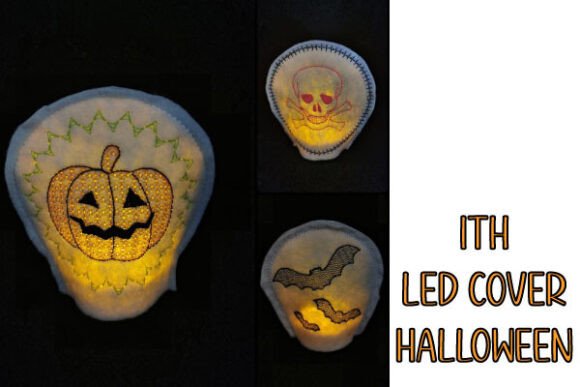
Review: ITH LED Tealight Covers Halloween Embroidery
As an embroidery designer who has spent years helping small business owners translate their brand identity into thread, I approach every new machine embroidery design with a critical eye. It is not just about whether a motif looks cute on a screen; it is about how it performs in the real world of commercial production. Recently, I evaluated the ITH LED Tealight Covers Halloween Embroidery set, and while its primary application is decorative home decor, its potential for branded merchandise and seasonal marketing assets is significant for the right creative enterprise.
First Impressions and Visual Personality
The initial appeal of this collection lies in its thematic clarity. The description promises "fun and frightful designs," which suggests a playful rather than terrifying aesthetic. For boutique owners, bakeries, or local craft studios looking to engage customers during the spooky season, this tone is ideal. It feels handmade, approachable, and festive without being overly aggressive. When reviewing the visual structure, these designs lean towards a decorative style that balances detail with readability. This is crucial because overly complex graphics often fail when scaled down for patches or apparel accents.
The concept of In-The-Hoop (ITH) projects inherently suggests a level of craftsmanship that resonates with buyers of handmade product lines. By integrating the embroidery directly into the construction of the tealight cover, the final item feels premium and intentional. For a business owner, this signals quality. However, as a designer, I look beyond the finished craft item to see how these motifs can be extracted or adapted for broader small business merch applications.
Real-World Business Applications
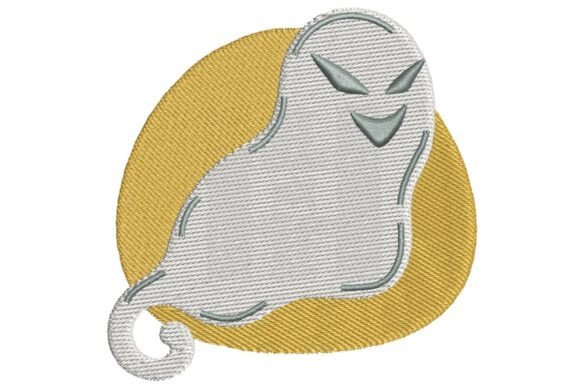
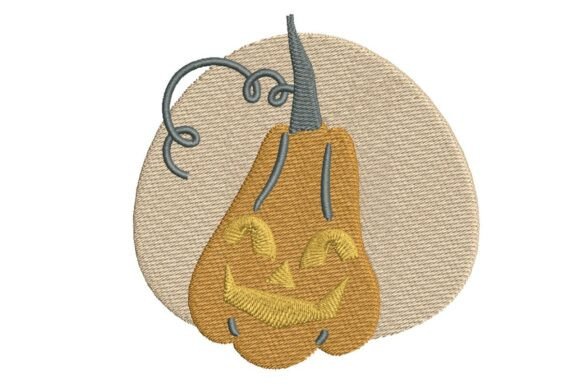
While the product is titled for tealight covers, the individual motifs within the set can serve as excellent standalone elements for various commercial embroidery projects. Consider a local café or florist wanting to update their staff uniforms for October. These designs could be digitized separately or used as-is to create charming apron embroidery details. A subtle ghost or pumpkin motif on the chest pocket of a barista’s apron adds a touch of seasonal personality that encourages customer interaction.
For Etsy sellers and crafters, these designs are perfect for creating limited-edition embroidered patch runs. Patches are a low-risk, high-reward product for testing new designs. You can produce a batch of Halloween-themed patches using these motifs and attach them to tote bags, caps, or sell them as standalone accessories. This allows you to leverage the digital embroidery file for multiple revenue streams. Additionally, these motifs work well for cap embroidery, provided the design is simplified to handle the curved surface of a baseball cap front panel.
Another viable avenue is custom packaging accents. Imagine a boutique bakery including a small, embroidered tag on their Halloween cookie boxes. Using a simplified version of these designs creates a cohesive brand identity that extends from the product to the packaging. It elevates the perceived value of the item and reinforces the handmade nature of the brand.
Technical Considerations for Production
Before rushing to hoop up your machine, there are critical technical factors to address. Since this is an ITH project, the original files are designed for specific hoop constraints. If you plan to use the motifs for other applications, such as tote bag design or shirt logos, you must verify the hoop size compatibility. Always check the specific file details provided by the creator, as these are not included in the general description.
Stitch density is another major concern. Decorative Halloween designs often feature intricate outlines or fill patterns that can cause puckering on lightweight fabrics. If you are applying these to custom apparel like thin cotton tees or silk-lined tote bags, you must use an appropriate stabilizer. A cut-away stabilizer is often safer for items that will undergo frequent washing, ensuring the design remains intact and does not distort over time.
Furthermore, consider the thread colors carefully. Halloween palettes typically involve high-contrast combinations like black and orange, or purple and green. While vibrant, these colors can bleed if low-quality threads are used. For professional results, invest in rayon or polyester threads that offer sheen and durability. Test your design on a scrap piece of the actual fabric you intend to use. This step is non-negotiable for maintaining professionalism and avoiding costly mistakes in a production run.
Strategic Placement and Brand Consistency
Where you place these designs matters immensely for brand perception. On a uniform, a chest-left placement is standard and professional. For tote bags, centering the design works well, but ensure the scale is large enough to be visible from a distance. Avoid placing detailed elements near seams or zippers, as this can complicate the hooping process and lead to misalignment.
It is also vital to consider how these seasonal designs fit into your overall design assets library. While Halloween is a specific niche, the style of the embroidery should complement your year-round branding. If your brand is minimalist and modern, a highly ornate, rustic Halloween design might feel disjointed. However, if your brand leans towards cozy, artisanal, or whimsical vibes, these motifs will enhance your visual consistency.
Practical Designer Notes for Implementation
To ensure success with the ITH LED Tealight Covers Halloween Embroidery in a commercial context, follow these practical steps:
- Test in Monochrome: Before committing to colorful threads, stitch out the design in black and white. This helps you evaluate the clarity of the shapes and ensures the design reads well even without color contrast.
- Check Scalability: If you plan to use the motif for small patches or labels, reduce the size in your software and inspect the preview. Ensure that fine details do not become too dense or merge together, which can cause thread breaks.
- Verify Licensing: Always confirm the commercial licensing terms of the digital embroidery file. Some creators allow unlimited physical sales, while others have caps on production numbers. Protect your business by adhering to these rules.
- Create Printable Mockups: Use digital tools to superimpose the design onto photos of your products. This helps in client approvals and marketing materials before you spend time and resources on physical production.
- Fabric Texture Matters: Test on the exact fabric texture you will use. Terry cloth, denim, and canvas all react differently to the same stitch pattern. Adjust your tension and stabilizer accordingly.
In conclusion, the ITH LED Tealight Covers Halloween Embroidery set offers more than just seasonal decor potential. For the astute small business owner, it represents a versatile asset for creating engaging, branded merchandise. By paying attention to technical details like stabilizer choice, stitch density, and placement, you can transform these fun designs into professional-grade products that boost customer trust and drive seasonal sales. Always prioritize quality control and brand alignment to ensure your embroidered goods reflect the high standards of your business.