Review: Laughing Bunny Easter Egg Embroidery
As an embroidery designer who spends countless hours testing digital files before they ever reach a customer’s hoop, I have learned that the difference between a good design and a great one often lies in the details. When I first loaded the Laughing Bunny Easter Egg Embroidery into my software, I was immediately struck by its charm. This is not just another seasonal clipart conversion; it is a thoughtfully digitized piece that balances playful energy with technical precision. For those of us running small shops or selling on Etsy, finding a design that translates well from screen to fabric is crucial. This review explores how this cheerful bunny performs in real-world applications, from baby blankets to kitchen linens.
First Impressions: Mood and Aesthetic Appeal
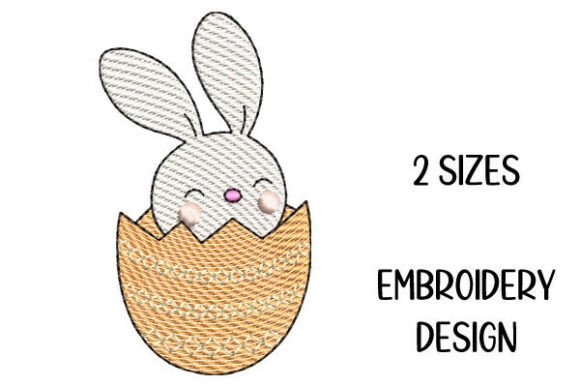
The immediate vibe of this design is pure joy. The concept of a bunny hatching from an egg, laughing with delight, captures the whimsical spirit of spring without feeling cliché. What stands out most is the use of elegant curved fills. In machine embroidery, curved fills can be tricky; if the stitch angles are not managed well, they can look messy or cause puckering. However, this design handles these transitions smoothly, creating a soft, plush appearance that feels inherently handmade and high-quality.
The emotional appeal here is significant. It feels sweet and inviting, making it an excellent choice for products intended to evoke warmth and nostalgia. Whether you are targeting new parents looking for nursery decor or adults seeking a touch of lightheartedness in their home, the aesthetic strikes a balance between modern simplicity and classic holiday charm. It does not feel overly juvenile, which broadens its market potential beyond just children’s items.
Versatility in Personalized Gift Products
One of the strongest assets of the Laughing Bunny Easter Egg Embroidery is its versatility. As a creator, I am always looking for designs that can serve multiple product lines. Here is how this design performs across different categories:
- Baby Embroidery: This is arguably the strongest use case. The soft curves and happy expression make it perfect for baby blankets, onesies, and burp cloths. It adds a personal touch that turns a standard item into a cherished keepsake.
- Kitchen and Home Decor: Imagine this bunny stitched onto a flour sack towel or a linen apron. It transforms everyday items into seasonal treasures. An embroidered towel with this design makes for a thoughtful housewarming gift or a festive addition to a spring table setting.
- Pillow Covers and Tote Bags: For larger hoops, this design scales beautifully. Placing it on a canvas tote bag or a decorative pillow cover creates a statement piece that customers love to photograph and share on social media.
- Wedding and Family Keepsakes: While primarily an Easter design, the theme of new life and joy can extend to spring weddings or baby showers. It works well as part of a larger custom embroidery project, such as a family heirloom quilt block.
For Etsy sellers and small business owners, this versatility means you can create a cohesive collection. You can offer the same design on different products, simplifying your marketing while maximizing your inventory options.
Technical Considerations and Fabric Compatibility
While the design is visually appealing, practical application requires attention to detail. Not every fabric behaves the same way under the needle. Here are some critical areas where caution is needed:
Fabric Texture and Stability: The elegant curved fills rely on smooth stitching. On highly textured fabrics like thick terry cloth towels, some finer details might get lost. I recommend using a cut-away stabilizer for these heavier materials to ensure the design remains crisp. Conversely, on stretchy baby clothes, proper hooping and a tear-away or cut-away stabilizer combination is essential to prevent distortion.
Dark vs. Light Fabrics: Thread color contrast is vital. This design likely uses pastel or bright spring colors. On dark fabrics, you may need to adjust the thread palette or add an underlay to ensure the bunny pops. Always create printable mockups or test stitches on scrap fabric in both light and dark variations before listing the finished product.
Stitch Density and Hoop Size: Before committing to a large production run, check the stitch density. High-density fills can cause puckering on lightweight fabrics like cotton voile or silk. If the design is dense, consider using a water-soluble topping to keep the stitches from sinking into plush fabrics like minky or fleece. Additionally, confirm the hoop size required. If the design is large, ensure your machine can accommodate it, or check if a scaled-down version is available for smaller items like pocket squares or baby bibs.
Enhancing Perceived Value and Customer Trust
In the world of handmade products, perceived value is everything. A well-executed embroidery design signals quality. When a customer sees the clean lines and smooth fills of the Laughing Bunny Easter Egg Embroidery, they associate it with professional craftsmanship. This builds trust and encourages repeat business.
Moreover, this design enhances giftability. It is not just an object; it is an emotional connector. A personalized gift featuring this laughing bunny tells a story of care and attention. For buyers, this emotional connection drives engagement. They are more likely to share photos of their purchase, providing you with valuable user-generated content for your shop.
Practical Steps for Embroidery Makers
To ensure the best results with this digital embroidery file, follow these practical steps:
- Test on Scrap Fabric: Never skip the test stitch. Use the same fabric type you intend to sell to check for registration issues or thread breaks.
- Check Thread Color Contrast: Experiment with different thread palettes. Sometimes a slight shift in hue can make the design stand out more against specific background colors.
- Review Stitch Density: If the design feels too stiff after stitching, consider adjusting the density settings in your software if you have the rights to edit, or choose a lighter fabric.
- Use Proper Stabilizer: Match the stabilizer to the fabric. Heavy fabrics need strong support; delicate fabrics need gentle handling.
- Confirm Commercial Licensing: Before selling finished products, always verify the license terms of the digital embroidery file. Ensure you have the right to use it for commercial embroidery sales.
In conclusion, the Laughing Bunny Easter Egg Embroidery is a standout choice for spring collections. Its blend of playful character and technical elegance makes it suitable for a wide range of personalized gifts. By paying attention to fabric choice, stabilizer selection, and thread contrast, you can produce high-quality items that delight customers and elevate your brand. Whether you are creating a single baby blanket or a full line of Easter decor, this design offers the charm and reliability needed for successful handmade sales.