Reviewing Pelican Embroidery Clipart for Boutique Sweatshirts
As an embroidery designer who has spent years digitizing patterns for small clothing brands and boutique labels, I approach every new asset with a critical eye. We are not just looking for pretty pictures; we are looking for viability. Can this design hold up under the needle? Will it elevate a basic garment into a handmade product that commands a higher price point? Recently, I evaluated Pelican Embroidery Clipart for an upcoming limited drop of premium sweatshirts. Here is my professional assessment of how these graphics translate from screen to stitch.
First Impressions and Aesthetic Mood
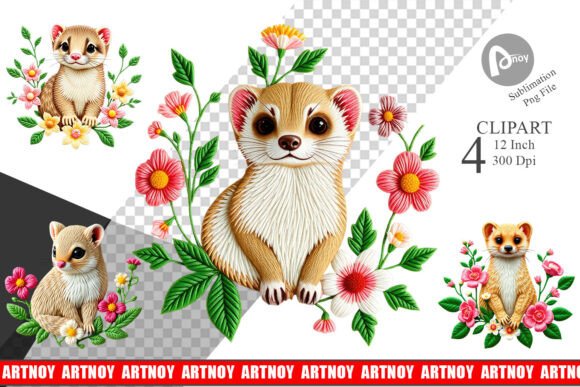
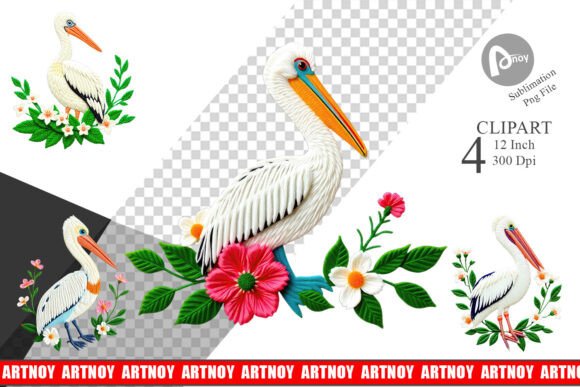
The moment I opened the files, the clean lines and transparent backgrounds caught my attention. The collection includes four high-resolution PNG files, which suggests versatility. For a designer, transparency is crucial because it allows us to visualize the motif against various fabric textures without the distraction of a white box. The pelican motif itself carries a specific weight. It is not overly cartoonish, nor is it hyper-realistic. It sits in a sweet spot that feels both rustic and playful.
When considering the mood, I see this design working beautifully for coastal-themed apparel or nature-inspired lifestyle brands. It feels decorative yet minimal enough to not overwhelm a garment. For a boutique brand aiming for a relaxed, elevated aesthetic, this graphic offers a sense of elegance without trying too hard. It is the kind of imagery that appeals to customers who value subtle storytelling in their wardrobe.
Application on Sweatshirt Fabrics
The primary test for any machine embroidery design intended for apparel is how it interacts with heavy knits. I imagined placing this pelican graphic on a range of neutral sweatshirts. On a heather grey or oatmeal-colored fleece, the design would likely require careful thread color selection to ensure readability. Because the source files are PNGs rather than native embroidery formats, we must consider how we convert these graphics into stitches.
For dark fabric, such as navy or charcoal hoodies, the contrast becomes a major factor. A white or cream thread would make the pelican pop, creating a bold statement piece. However, on pastel colors like blush or sage, the design might need a satin stitch border to define the edges clearly against the soft background. The oversized hoodie trend is still strong, and this graphic fits perfectly on the left chest area. It is small enough to be understated but detailed enough to draw the eye.
I also considered sleeve accents. A smaller version of the pelican could work as a subtle detail on the cuff or upper arm, adding value to the custom apparel without increasing production time significantly. For back designs, however, I would recommend enlarging the graphic considerably. At its current scale, it might get lost on the broad canvas of a sweatshirt back unless paired with typography.
Technical Considerations for Production
Here is where the experienced designer must pause. The product description notes these are high-resolution PNG files with transparent backgrounds. This is excellent for printing or sublimation, but for embroidery, it presents a challenge. We are dealing with Graphics in the Crafts category, but they are not yet an embroidery file. Before sending this to the machine, we must digitize the image or use auto-digitizing software with caution.
Stitch density is a critical concern. If we simply convert the PNG to stitches, the software might create too many satin stitches, leading to puckering on the thick sweatshirt fabric. We need to manually adjust the density to ensure the fabric lies flat. Additionally, the choice of stabilizer is non-negotiable. For a cozy seasonal apparel item like a fleece sweatshirt, a cut-away stabilizer is essential to support the weight of the threads and prevent distortion after washing.
We must also think about hoop size. If the pelican design is intricate, a smaller hoop might restrict the number of colors we can use efficiently due to thread changes. I recommend testing the design in a 4x4 or 5x7 hoop to see if the details remain crisp. Small-size readability is key; if the beak or wing details merge into a blob of thread at a smaller scale, the design fails as a commercial product.
Brand Identity and Market Value
Why does this matter for an Etsy seller or a small shop owner? Because perceived value drives sales. A well-executed embroidered pelican elevates a blank sweatshirt from a commodity to a small shop product with character. When customers see precise stitching and thoughtful placement, they trust the quality of the brand. This builds visual recognition. If you use this motif consistently across your line, it becomes part of your brand identity.
Furthermore, these design assets are perfect for creating printable mockup previews. Before you even stitch a single thread, you can place the PNG onto photos of your garments to test different colorways. This saves time and material costs during the prototyping phase. For commercial embroidery, consistency is key. Having high-resolution source files allows you to maintain uniform branding across different product types, from tote bags to hats.
Final Verdict for Creative Entrepreneurs
The Pelican Embroidery Clipart collection is a promising starting point for creative entrepreneurs. It offers the flexibility needed for diverse applications, from hoodie design accents to full-front statements. However, it requires technical expertise to bridge the gap between a graphic image and a durable stitched product.
- Check File Formats: Ensure you have the tools to convert PNGs to embroidery formats or hire a digitizer.
- Test Stitch Density: Avoid excessive stitching on thick fabrics to prevent stiffness.
- Consider Thread Colors: Choose high-contrast threads for dark fabrics and subtle tones for pastels.
- Use Proper Stabilization: Always use cut-away stabilizer for knitwear to ensure longevity.
Remember, the final look depends heavily on your execution. The finished product should feel premium, with clean trim and no loose threads. If you can master the technical conversion, this pelican design can become a staple in your boutique brand lineup. It balances whimsy with sophistication, making it ideal for customers who appreciate unique, handcrafted details in their everyday wear.
Before launching your next collection, take the time to experiment with these graphics. Try them on different fabric texture samples. See how they react to various thread colors. The effort you put into refining the digital asset into a physical stitch will pay off in customer satisfaction and repeat business. This is not just about adding a picture to a shirt; it is about creating a tangible connection between your brand and your buyer through the art of embroidery.