Snail Embroidery Sticker: A Designer’s Practical Review
As a designer who has spent countless hours digitizing files and testing them on everything from delicate silk to heavy denim, I approach every new machine embroidery design with a critical eye. We are not just looking for cute shapes; we are looking for structural integrity, visual balance, and commercial viability. When I first encountered the Snail Embroidery Sticker, my initial reaction was one of cautious optimism. The concept of a "sticker" style in embroidery is trendy, offering a clean, graphic look that appeals to modern buyers. But does it hold up under the needle? Let’s dive into how this asset performs in real-world scenarios.
First Impressions and Visual Personality
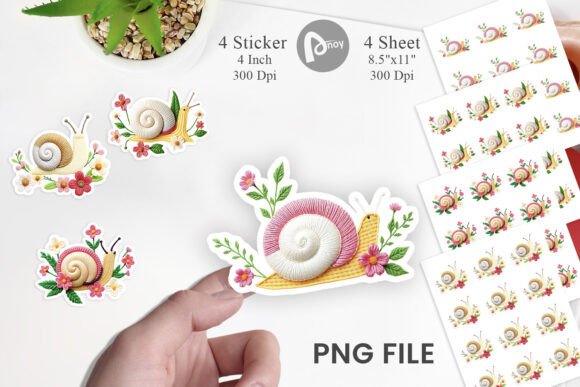
The mood of the Snail Embroidery Sticker is whimsical yet grounded. It avoids the overly complex detailing that often plagues small-scale designs, opting instead for bold lines and clear shapes. This is crucial because, in embroidery, less is often more. The layout suggests a focus on clarity, which is essential when working with thread colors that need to pop against various fabric textures. The visual personality feels friendly and approachable, making it an excellent candidate for projects that require a touch of warmth without sacrificing professionalism.
For those of us selling design assets or creating printable mockup previews, the aesthetic here is versatile. It doesn’t scream "childish," which means it can cross over into adult-focused home decor or boutique branding. The simplicity allows the stitching technique to shine, whether you choose a dense fill stitch for the shell or a crisp satin stitch for the outline.
Real-World Application: The Custom Tote Bag Test
To truly evaluate a design, you must imagine it on a finished product. I recently worked on a custom order for a local bookstore wanting branded tote bag design elements. They needed something that would look good on natural canvas and withstand frequent washing. The Snail Embroidery Sticker came to mind immediately.
In this scenario, the design’s compact nature was a benefit. I placed it on the corner of the tote, using a medium-weight cut-away stabilizer to prevent puckering on the woven cotton. The result was striking. The snail’s shell provided a nice area for texture variation, while the body allowed for smooth stitching. Customers loved the subtle, handcrafted feel. It wasn’t just a logo; it felt like a personalized gift element, even though it was part of a larger batch of small shop product inventory. This kind of versatility is what makes a design valuable to an Etsy seller or a craft business owner.
Expanding Beyond Apparel
While custom apparel like sweatshirts and t-shirts are obvious choices, do not limit this design to clothing. I have seen similar graphics work beautifully on embroidered patch projects. By hooping a piece of felt or twill separately and stitching the snail as a standalone motif, you create a versatile accessory that can be ironed or sewn onto jackets, backpacks, or hats. This transforms a simple embroidery project into a modular handmade product with higher perceived value.
Consider also its use in nursery decor. A soft pastel version of this snail on a baby embroidery item, such as a burp cloth or blanket border, adds charm without overwhelming the delicate fabric. For holiday embroidery, you could adapt the color palette to fit seasonal themes—think autumn oranges for fall or icy blues for winter—making it a year-round asset for your commercial embroidery portfolio.
Technical Considerations and Caution Areas
No design is perfect for every situation. As a reviewer, I must highlight where the Snail Embroidery Sticker requires careful handling. Because sticker-style designs often rely on clean edges, any distortion in the fabric can ruin the effect. Therefore, avoid using this on highly stretchy fabrics like jersey knits unless you use a very stable tear-away or cut-away stabilizer and possibly a topping to keep the stitches from sinking into the pile.
Hoop size is another critical factor. While the design is described as fitting within a 4x4 area, always check the actual dimensions of the specific file you download. If you are attempting to scale it down significantly for a tiny detail on a cap or a child’s collar, you risk losing definition. Tiny details can become mushy if the stitch density is too high for the thread weight. Conversely, if the density is too low, the fabric may show through, breaking the "sticker" illusion.
Dark fabrics present another challenge. If the design relies on light thread colors for contrast, ensure you have a solid underlay. Without proper underlay stitching, the dark fabric background will peek through the lighter top stitches, making the snail look faded or dirty. Always run a test stitch-out on scrap fabric that matches your final project material. This step is non-negotiable for maintaining customer trust and ensuring brand consistency.
Enhancing Product Value and Buyer Engagement
From a business perspective, the Snail Embroidery Sticker offers more than just aesthetic appeal. It contributes to the overall finished product quality. Clean, well-digitized designs signal professionalism. When a buyer sees precise stitching with no loose threads or puckering, they perceive higher value. This is especially important for digital embroidery file sellers who provide these designs to other makers. If your mockups show a crisp, attractive result, other makers are more likely to purchase your file or hire you for commercial embroidery work.
Furthermore, this type of graphic fits well into the current trend of "slow fashion" and handmade goods. It tells a story of care and attention. Whether used in scrapbooking as a digital element or stitched onto a physical kitchen towel, it adds a layer of personality that mass-produced items lack. This emotional connection drives buyer engagement and encourages repeat customers.
Practical Designer Notes
Before you commit to a large production run or list this as a key item in your shop, keep these practical tips in mind:
- Test on Scrap Fabric: Always stitch out on the same type of fabric you intend to use for the final product. Check for puckering and registration issues.
- Check Thread Contrast: Ensure your thread colors stand out against the fabric. Use a black-and-white mockup to verify value contrast if you are unsure.
- Review Stitch Density: If the design feels stiff after stitching, consider reducing the density or using a lighter weight thread.
- Confirm Licensing: The product description mentions these are printable stickers with PNG designs. If you are using this as a reference for embroidery, ensure you have the rights to create derivative works or sell the stitched items. Do not assume a graphic license covers commercial embroidery sales.
- Inspect Small Details: Zoom in on the digital file. Are there any stray pixels or awkward curves that might translate poorly to stitching? Clean up the pathing if necessary.
In conclusion, the Snail Embroidery Sticker is a charming and versatile asset that, when handled with technical care, can elevate a wide range of projects. From personalized gifts to boutique merchandise, it offers a blend of whimsy and professionalism that resonates with today’s crafters and consumers. Just remember to respect the limitations of the medium, test thoroughly, and let the quality of your stitching speak for itself.